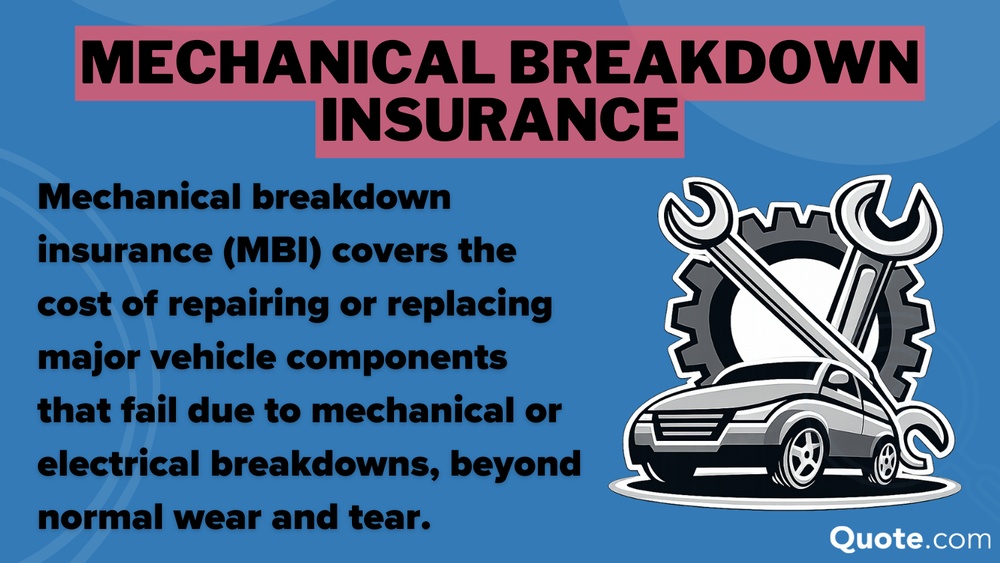
If your car breaks down or a part stops working, your warranty can save you a lot of money and stress. But do you know exactly how to make a car warranty claim?
The process might seem confusing or overwhelming at first, and missing a step could delay your repairs or even cost you out of pocket. That’s why understanding the car warranty claim process is so important. You’ll get a clear, simple guide to submitting your claim the right way.
You’ll learn how to check your coverage, what documents you need, and what to expect from start to finish. Whether you have a manufacturer’s warranty or an extended plan, knowing these steps puts you in control. Ready to make sure your next claim goes smoothly and quickly? Keep reading to discover everything you need to know about the car warranty claim process.
Check Your Warranty Coverage
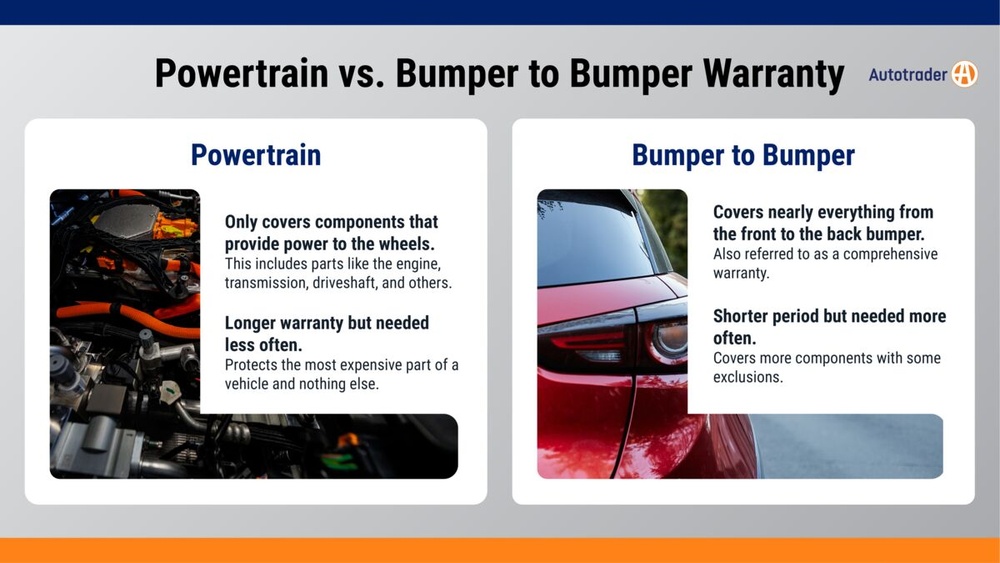
Identify Warranty Type to know where to start. A factory warranty covers repairs at authorized dealerships only. An extended or third-party warranty may allow repairs at other shops, but check your contract first.
Review Terms and Conditions carefully. These explain what is covered and what is not. Look for exclusions like wear and tear or damage from accidents. Know the claim deadlines and required paperwork.
Understand Coverage Limits such as mileage or time limits. Some warranties cover parts only, others cover labor too. Be aware of deductibles you must pay before coverage starts. This helps avoid surprise costs.
Gather Necessary Documents
Keep these essential documents ready before filing a car warranty claim. First, the proof of purchase shows when and where you bought your car. It helps confirm your warranty start date.
Next, gather all service and maintenance records. These papers prove you took good care of your vehicle. Regular servicing keeps your warranty valid.
Lastly, have your warranty contract on hand. This contract lists what parts and repairs the warranty covers. It also explains any limits or conditions.
Submitting these documents helps the warranty provider process your claim faster and easier. Missing papers may delay or reject your claim.
Find An Authorized Repair Shop
Find an authorized repair shop to ensure your warranty claim is valid. Locate brand dealerships that specialize in your car’s make. These dealerships have trained technicians and use original parts. Check third-party warranty requirements carefully. Some plans require repairs at specific shops or networks. Compare repair options by considering cost, convenience, and warranty coverage. Authorized shops usually offer better protection under warranty. Third-party shops might be cheaper but may not honor all warranty terms. Always verify your warranty policy before choosing a repair location. This can save time and avoid claim denials.

Get Pre-authorization
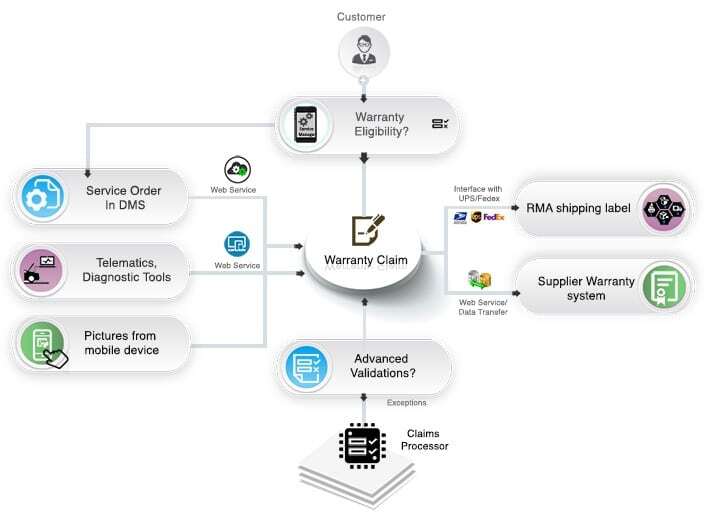
Contact the warranty provider first to start the claim. Provide your car details and explain the issue clearly. The provider will guide you on the next steps.
Next, submit repair estimates from a licensed mechanic or dealer. Make sure the estimate lists all needed repairs and parts. Keep copies of all documents.
Finally, obtain approval for repairs from the warranty provider. Wait for their confirmation before any work begins. This pre-authorization ensures the costs will be covered under your warranty.
Complete Vehicle Diagnosis
First, schedule an inspection with a trusted mechanic or service center. The vehicle should be checked thoroughly to find any issues covered by the warranty. This step ensures all problems are identified clearly.
Next, document the issues found during the inspection. Take notes and photos if possible to show the exact problems. Clear documentation helps avoid confusion later.
Finally, share the diagnosis with your warranty provider. Send them the detailed report and wait for their approval. This step is important for a smooth claim process and faster repair authorization.

Authorize Repairs
First, carefully review the repair plan provided by the dealer or mechanic. Check that all needed repairs are listed and that parts used are covered by your warranty. Understanding this plan helps avoid surprises later.
Next, you must provide your consent to start repairs. This is important because repairs cannot begin without your approval. Ask questions if anything is unclear before you say yes.
Finally, confirm the estimated costs for the repair work. The warranty should cover most expenses, but sometimes small fees might apply. Knowing the costs upfront keeps you prepared and avoids confusion.
Submit Warranty Claim
Start by filling out the claim forms carefully. Use clear and simple language. Check all required fields to avoid delays.
Attach all supporting documents. These may include purchase receipts, repair bills, and photos of the damage. Make sure documents are legible and complete.
Follow the submission procedures exactly as stated by the warranty provider. Submit forms and documents via their preferred method, like email or online portal. Keep copies of everything for your records.
Track Claim Status
Communicate clearly with your warranty provider to avoid delays. Reply quickly to any requests for documents or information. Keep a record of all conversations and emails. This helps in case of future questions.
Responding promptly to additional requests speeds up the claim process. Providers may ask for repair bills, photos, or inspection reports. Send these as soon as possible to prevent hold-ups.
Keep track of your claim’s approval progress regularly. Many providers offer online portals where you can check status updates. If unsure, call customer service for the latest information.
Handle Claim Outcomes
Approval means your claim will be paid based on your warranty terms. Denial happens if the issue is not covered or paperwork is incomplete. Read the denial letter carefully to understand the reason.
To appeal a denied claim, gather all supporting documents. This includes repair invoices, photos, and warranty papers. Submit a clear explanation of why the claim should be approved. Follow the warranty provider’s appeal process exactly.
Planning next steps depends on the claim outcome. For approved claims, schedule repairs quickly to avoid extra costs. If denied, consider getting a second opinion or consulting a consumer protection agency. Always keep copies of all communication for your records.
Maintain Records For Future Claims
Keep all service receipts in one place. This helps track repairs and costs easily. Receipts prove that you followed the car’s maintenance rules.
Save every warranty letter, email, and note from the dealer or company. These papers show what is covered and any special instructions.
Update your documents often. Add new receipts and letters right after service visits. This keeps your records current and ready for any future claims.
| What to Keep | Why It Helps |
|---|---|
| Service Receipts | Prove regular maintenance and repairs |
| Warranty Correspondence | Show coverage details and communication |
| Updated Documentation | Keep records current for easy claims |
Avoid Common Warranty Pitfalls
Follow maintenance schedules exactly as the warranty states. Skipping regular service can void your warranty. Keep all service records safe. They prove you cared for the car well.
Avoid unauthorized repairs. Use only approved mechanics or dealers. Repairs done by unapproved shops might not be covered. Always get permission from the warranty provider before any fix.
Be aware of exclusions in your warranty contract. Some parts or damages may not be covered. Read the fine print carefully to know what is excluded. This helps prevent surprise repair costs.
Frequently Asked Questions
How Do Car Warranty Claims Work?
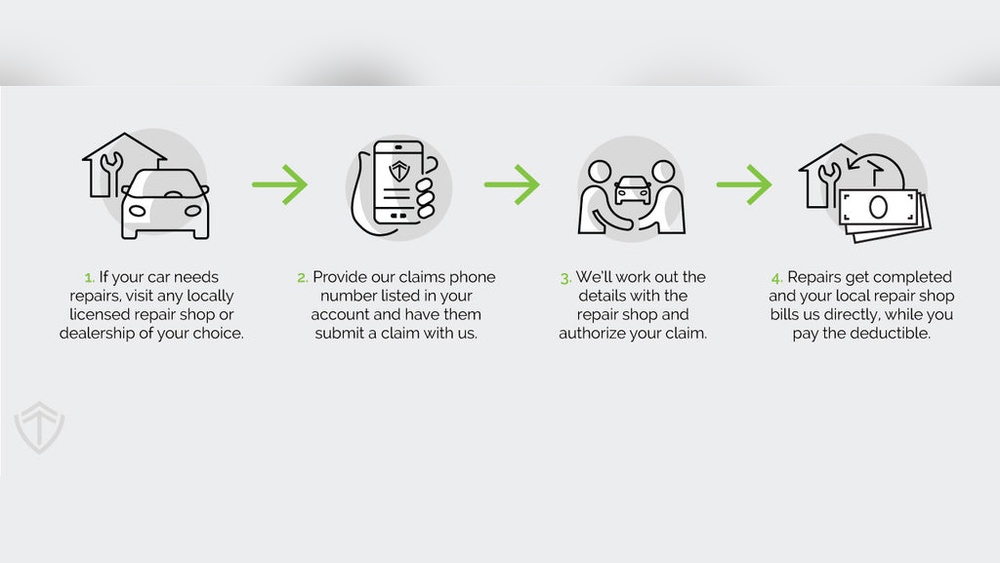
Car warranty claims start by verifying coverage and taking your car to an authorized mechanic. The mechanic diagnoses the issue, obtains pre-authorization from the warranty provider, completes repairs, and submits a claim. Approved claims cover repair costs under the warranty terms, protecting you from unexpected expenses.
What Are Red Flags In Extended Warranties?
Red flags in extended warranties include vague coverage, high deductibles, limited repair locations, hidden fees, and strict claim approval processes.
What Are The 3 C’s Of Warranty?
The 3 C’s of warranty are Coverage, Claims, and Cost. Coverage defines what’s protected. Claims involve the process to request repairs. Cost refers to expenses related to the warranty.
How Long Do Warranty Claims Take To Process?
Warranty claims typically take 7 to 14 business days to process. Timely submission of all required documents speeds approval.
Conclusion
Understanding the car warranty claim process helps protect your investment. Always read your warranty terms carefully before submitting a claim. Keep all repair and service records organized for easy reference. Contact your warranty provider promptly to avoid delays. Following the correct steps ensures faster approval and repair service.
Stay informed and prepared to make the claim process smoother. Taking these simple actions can save you time and money. Keep your vehicle running well without unexpected costs.
Read More:
- Electric Vehicle Lease Deals: Unbeatable Offers You Can’t Miss
- Mechanical Breakdown Insurance Quote: Save Big with Expert Tips
- Gap Insurance for Leased Vehicles: Essential Protection Explained
- Low Risk Driver Insurance Rates: Save Big with Smart Coverage
- Rear End Collision Settlement: Maximize Your Compensation Today
- Drunk Driver Accident Compensation: Maximize Your Claim Today
- No Deposit Auto Insurance Plans: Save Big with Zero Upfront Fees
- Car Lease Insurance Requirements: Essential Coverage Tips You Need