Thinking about leasing a car? Before you get behind the wheel, there’s one crucial step you can’t afford to overlook: insurance.
You might be wondering, “What kind of insurance do I need for a leased car? ” or “Is it more expensive to insure a leased vehicle? ” The truth is, your lease agreement will have specific insurance requirements designed to protect both you and the leasing company.
Skipping this could cost you more than just money—it could jeopardize your entire lease. You’ll discover exactly what insurance coverage is required, why it matters, and how to make sure you’re fully protected without overpaying. Ready to drive with confidence? Let’s dive into the essential car lease insurance requirements you need to know.
Lease Insurance Basics
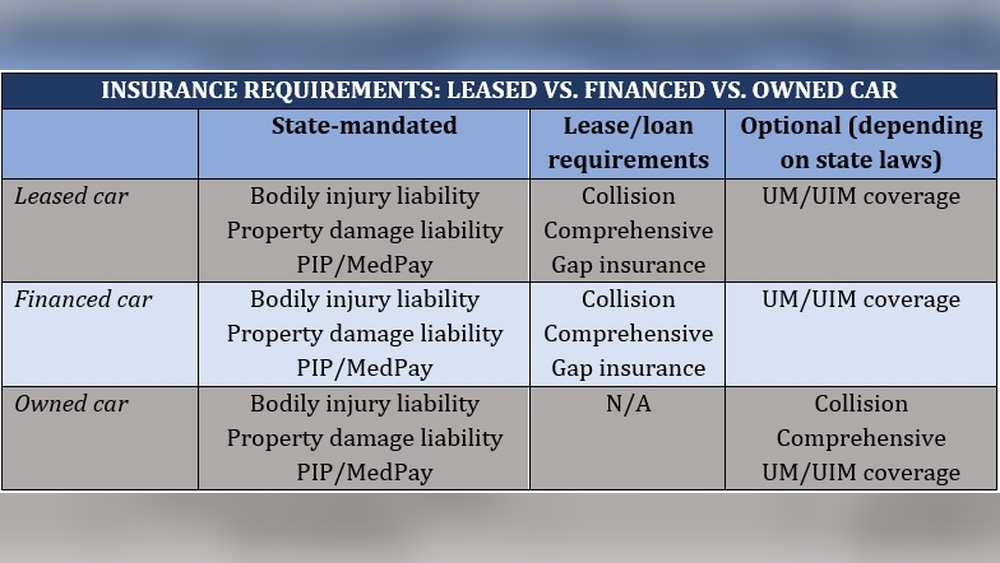
Leased cars need special insurance to protect both you and the leasing company. The leasing company owns the car, so they want it covered against damage and theft. This means you must have comprehensive and collision coverage, not just basic liability insurance.
The insurance must meet or exceed the leasing company’s requirements. Usually, these are higher than state minimums. This protects their investment since they still own the car.
You are responsible for paying the insurance premiums. If you fail to keep proper insurance, the leasing company can take back the car or charge you fees.
Insurance helps cover costs if the car is damaged in an accident or stolen. Without it, you could face large bills. Keeping insurance up to date is a must for any leased vehicle.
Mandatory Coverage Types
Comprehensive coverage protects your leased car from damage not caused by a crash. This includes theft, fire, vandalism, and natural disasters. It helps pay for repairs or replacement if the car is harmed by these events.
Collision coverage pays for damage to your leased car after a crash. It covers repairs regardless of who caused the accident. This coverage is essential because leased cars must be kept in good condition.
Liability coverage is required by law in most states. It pays for injuries or damage to other people or property if you cause an accident. Lease companies often require higher liability limits than the state minimum to protect their investment.
State-specific Insurance Rules
Texas lease insurance rules require liability coverage with minimum limits of 30/60/25. Comprehensive and collision insurance is also mandatory to protect the leased vehicle from damage or theft.
California demands higher liability limits of 15/30/5 thousand dollars. Drivers must carry comprehensive and collision coverage too. Florida requires liability coverage at 10/20/10 thousand dollars, alongside comprehensive and collision insurance.
| State | Liability Minimums (in thousands) | Additional Insurance Required |
|---|---|---|
| Texas | 30/60/25 | Comprehensive & Collision |
| California | 15/30/5 | Comprehensive & Collision |
| Florida | 10/20/10 | Comprehensive & Collision |
| Other States | Varies | Usually Comprehensive & Collision |
Most states require comprehensive and collision insurance for leased cars. Liability limits often exceed state minimums. Always check specific state laws before leasing.
Additional Coverage Options
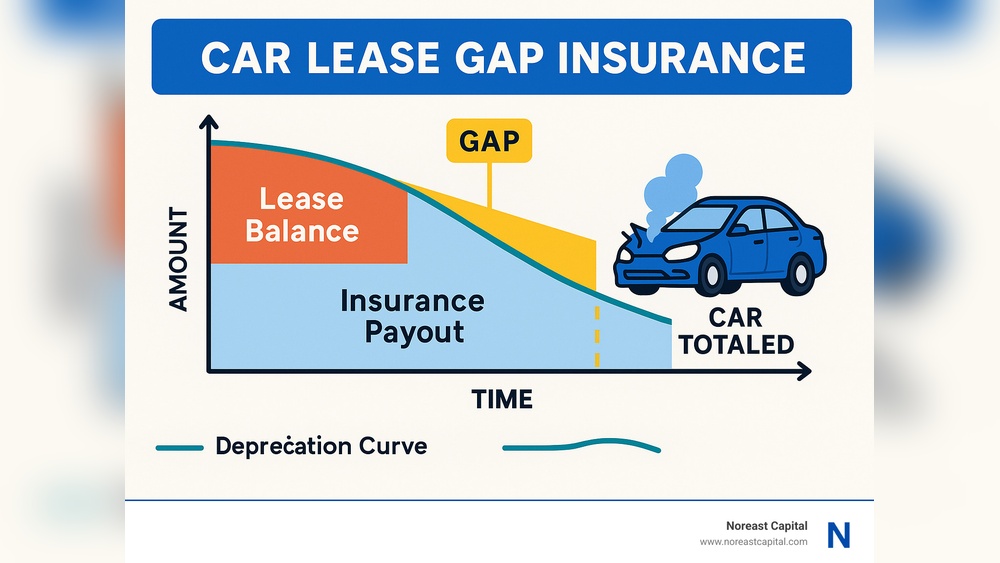
Gap insurance covers the difference if your leased car is totaled. It pays what your regular insurance does not. This helps avoid paying out of pocket for the remaining lease balance.
Uninsured motorist protection offers coverage if an at-fault driver lacks insurance. It helps with medical bills and car repairs after an accident caused by someone else.
| Coverage | Benefits |
|---|---|
| Roadside Assistance | Helps with tire changes, towing, and lockouts during emergencies. |
| Rental Reimbursement | Covers the cost of a rental car if your leased car is in the shop. |
These options add extra peace of mind. They protect your wallet from unexpected costs. Choosing the right coverage can save money and stress later.
Cost Factors For Lease Insurance
Leased cars often cost more to insure because they need full coverage. This includes comprehensive and collision insurance, which protects the car from damage and accidents. Lessors usually ask for higher liability limits than the state’s minimum. This raises the insurance premium.
Several factors affect these premiums. The car’s value, age, and safety features matter. Drivers with clean records pay less. Location also affects cost; urban areas usually have higher rates due to theft and accidents.
- Choose a car with good safety ratings.
- Keep a clean driving record.
- Compare different insurance providers.
- Ask about discounts for bundling insurance.
- Increase your deductible to lower monthly costs.
Insurance Before Leasing
Insurance coverage must be secured before signing a lease agreement. Leasing companies require proof of insurance to protect their vehicle investment. Most leases demand comprehensive and collision coverage to cover damages beyond basic liability.
Proof of insurance is usually needed at the time of lease signing. Without it, the leasing company may refuse to finalize the lease. This ensures the car is protected from accidents or theft from day one.
Some lease agreements also require liability limits higher than the state minimums. Check your lease contract carefully to meet all insurance conditions. Securing insurance early avoids delays and unexpected costs.
Comparing Lease And Finance Insurance
Leased cars usually need comprehensive and collision coverage. These protect against damage or theft. Financing a car may only need liability insurance, which covers damage to others.
Lease insurance costs tend to be higher than finance insurance. This is because leases require more coverage. Finance insurance can be cheaper but might offer less protection.
Lease insurance fits those who want full protection without owning the car. Finance insurance suits buyers who want to build ownership over time. Choose based on budget and protection needs.
Insurance Tips For Seniors Leasing Cars
Seniors leasing cars may find special discounts and programs. Many insurance companies offer lower rates for older drivers with safe records. Some programs focus on defensive driving courses that can reduce premiums. Check for multi-policy discounts if you bundle car insurance with home or health insurance.
Insurance companies may also provide senior-specific coverage options. These can include accident forgiveness or roadside assistance. Some states and insurers offer reduced rates for cars with advanced safety features. Asking about these programs can help lower costs.
Handling Claims On Leased Vehicles
Accidents must be reported to the leasing company immediately. This helps start the claims process quickly and smoothly. Contact your insurance provider right after the accident. Provide all necessary details, including photos and police reports if available.
Leasing companies usually require repairs at authorized service centers. Using approved shops ensures the work meets lease standards. Repairs must restore the vehicle to its original condition.
Replacement rules depend on the damage extent. If the car is declared a total loss, the leasing company decides on replacement. Your insurance may cover the cost to settle the lease balance.
| Step | Action |
|---|---|
| 1 | Report accident to leasing company and insurer |
| 2 | Get estimate from authorized repair shop |
| 3 | Complete repairs or follow replacement guidelines |


Frequently Asked Questions
What Kind Of Insurance Do I Need For A Leased Car?
Leased cars require full coverage insurance, including comprehensive, collision, and liability beyond state minimums. Gap insurance is often recommended.
Is It More Expensive To Insure A Leased Car?
Leased cars usually cost more to insure due to required comprehensive and collision coverage. Higher liability limits may also apply.
What Is The 1.5 Rule When Leasing A Car?
The 1. 5 rule in car leasing means your monthly lease payment should not exceed 1. 5% of the car’s original price. This helps keep lease costs affordable and manageable.
Do You Need Insurance Before Leasing A Vehicle?
Yes, you must have insurance before leasing a vehicle. Lessors require comprehensive, collision, and liability coverage beyond state minimums.
Conclusion
Car lease insurance protects both you and the leasing company. It covers damages and liability beyond basic policies. Most leases require comprehensive and collision coverage. Liability limits often must exceed state minimums. Choosing the right coverage keeps you compliant and safe.
Always review your lease agreement carefully before signing. Insurance costs may be higher, but it ensures peace of mind. Stay informed to avoid surprises during your lease term.
Read More:
- Car Warranty Claim Process: Essential Steps to Maximize Your Coverage
- Electric Vehicle Lease Deals: Unbeatable Offers You Can’t Miss
- Mechanical Breakdown Insurance Quote: Save Big with Expert Tips
- Gap Insurance for Leased Vehicles: Essential Protection Explained
- Low Risk Driver Insurance Rates: Save Big with Smart Coverage
- Rear End Collision Settlement: Maximize Your Compensation Today
- Drunk Driver Accident Compensation: Maximize Your Claim Today
- No Deposit Auto Insurance Plans: Save Big with Zero Upfront Fees