
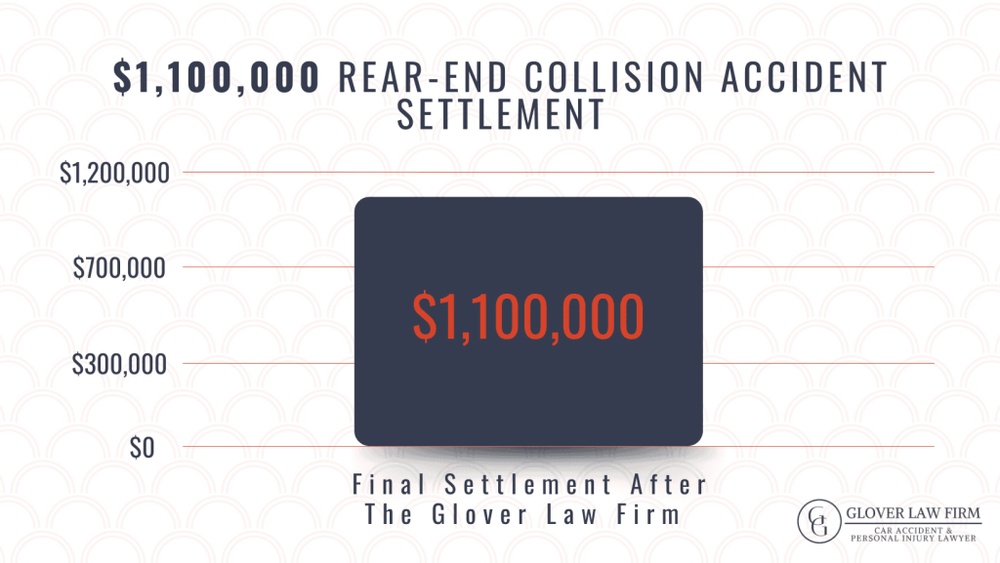
Have you recently been involved in a rear-end collision? If so, you might be wondering how much compensation you can expect from a settlement.
Dealing with the aftermath of a rear-end accident can be confusing and stressful, especially when it comes to understanding your rights and what you’re entitled to. Your injuries, vehicle damage, and financial losses deserve fair compensation—but getting that settlement isn’t always straightforward.
You’ll discover what a rear-end collision settlement typically involves, how settlements are calculated, and practical steps you can take to protect your claim. Keep reading to make sure you don’t leave money on the table after your accident.
Causes Of Rear End Collisions
Common driver errors often cause rear end collisions. Drivers may follow too closely or not pay attention. Sudden braking without warning can lead to crashes. Distracted driving, like using phones, is a big risk. Speeding reduces reaction time, increasing collision chances.
Weather and road conditions play a key role. Rain, snow, or fog reduce visibility and make roads slippery. Wet or icy surfaces cause longer stopping distances. Poor road maintenance, such as potholes, can cause drivers to lose control.
Vehicle malfunctions also contribute. Faulty brakes or worn tires reduce stopping power. Brake lights that do not work prevent others from seeing when a car slows. Mechanical failures can surprise drivers and cause accidents.
Types Of Injuries In Rear End Crashes
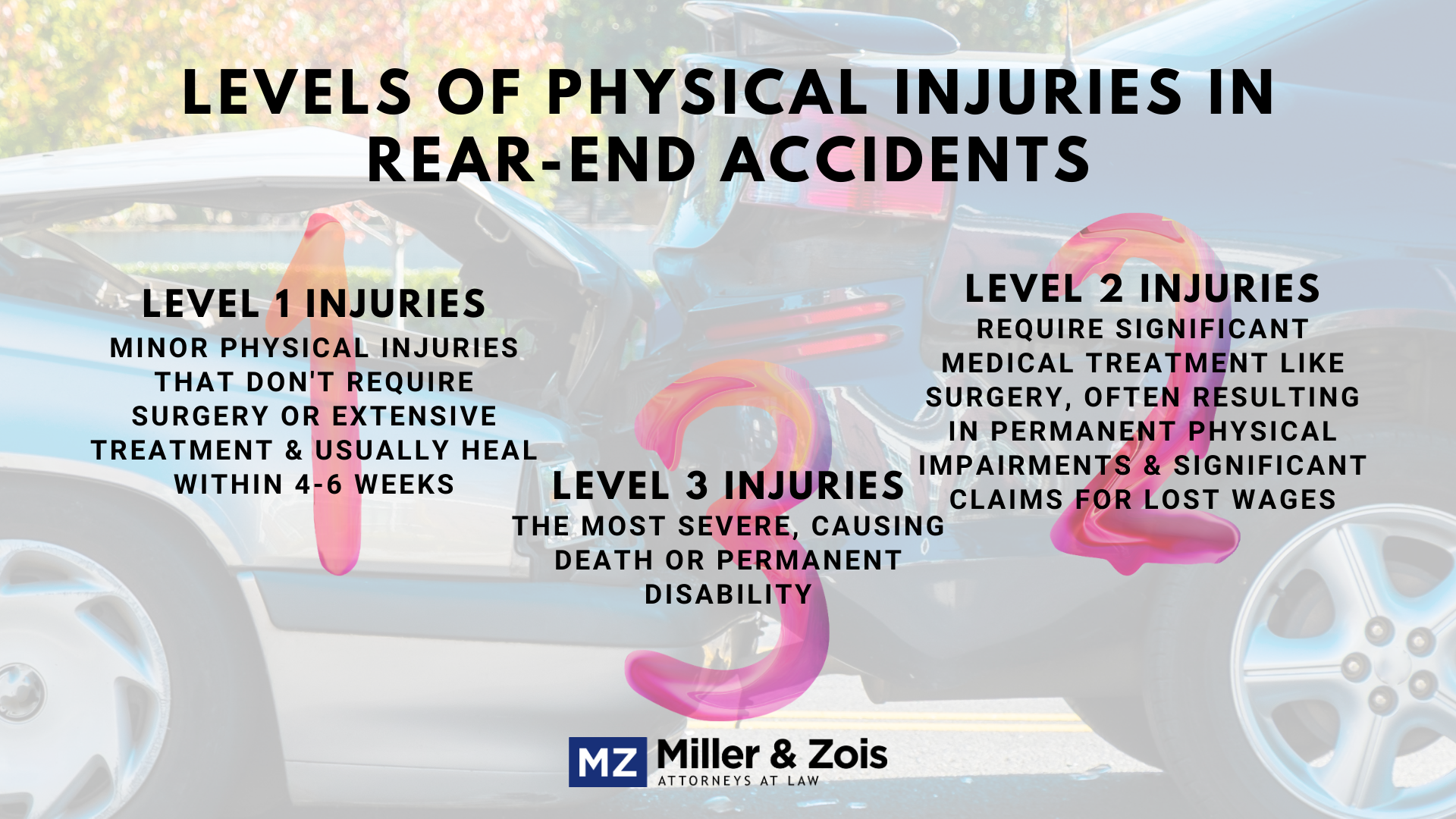
Whiplash is a common injury in rear-end crashes. It happens when the neck moves quickly back and forth. This sudden motion can strain muscles and ligaments. Soft tissue injuries include sprains and strains in the neck and back. These injuries may cause pain, stiffness, and swelling.
Back and neck injuries can vary from mild to severe. Herniated discs and spinal cord injuries are possible. These may lead to long-term pain or disability. Early medical treatment is important for recovery.
Severe injuries include broken bones and traumatic brain injuries. These can affect daily life for a long time. Some injuries need surgery or long rehabilitation. Pain and limited movement may last for months or years.
Steps To Take After A Rear End Collision
Documenting the Scene is very important. Take clear photos of all cars involved, the road, and any damage. Write down the time, date, and location. If there are witnesses, get their names and phone numbers. This information helps prove what happened.
Seeking Medical Attention should happen right away, even if injuries seem small. Some injuries show up later. A doctor’s report is key for any claim. Keep all medical records and bills safe for later use.
Communicating with Insurance requires care. Report the accident quickly and give only facts. Do not admit fault or guess what caused the crash. Keep a copy of all letters, emails, and notes from phone calls with the insurance company.
Filing An Insurance Claim
Report the accident to the insurance company as soon as possible. Provide clear details about the crash, including date, time, and location. Share photos and contact information of all parties involved. Accurate reporting helps avoid delays in the claim process.
Adjusters will contact you to discuss the claim. Be honest and stick to facts. They may ask about damages and injuries. Keep notes of all conversations for future reference.
Common challenges include delays, low offers, and disputes over fault. Insurance companies might try to minimize payouts. Stay patient and persistent. If needed, seek legal advice to protect your rights.
Factors Affecting Settlement Amounts
Severity of injuries greatly affects settlement amounts. Serious injuries like broken bones or whiplash need more medical care. This increases compensation. Minor injuries may lead to smaller settlements.
Property damage costs also play a big role. If the car is badly damaged, repair or replacement costs add up. Insurance companies include these costs in the total settlement.
Impact on daily life and work matters too. If injuries stop you from working or doing daily tasks, compensation may be higher. Lost wages and pain are important factors. The longer the recovery, the larger the settlement might be.
Maximizing Your Settlement
Gathering strong evidence is key to winning your settlement. Take clear photos of the accident scene, damages, and injuries. Collect witness contact details and write down what happened right after the crash. Keep all medical records and bills safe. These documents show the true impact of the collision.
Hiring a personal injury lawyer helps protect your rights. A lawyer understands the law and can handle tough insurance companies. They know how to collect evidence and build a strong case for you. Their experience often leads to better settlements than handling claims alone.
Negotiating with insurers requires patience and skill. Insurance companies aim to pay as little as possible. Don’t accept the first offer without review. Your lawyer can negotiate for fair compensation. They can explain your losses clearly and push for the best outcome.
When To Consider A Lawsuit
Insurance settlements may not cover all your losses after a rear-end collision. Insurers often offer less than the actual damage value. This can leave you with unpaid medical bills or car repairs. Filing a personal injury claim can help recover more money. It involves submitting evidence like medical records, accident reports, and witness statements. The process can take time but aims for fair compensation.
In court, expect a judge or jury to review all evidence carefully. Both sides will present their case. You might need to answer questions about the accident and injuries. Legal representation can guide you through these steps. A trial can be stressful but may result in higher settlement amounts than insurance offers.

Common Myths About Rear End Settlements
Many believe settlements are always small. This is not true. Settlement size depends on injury severity and case details. Some cases get larger payouts due to serious injuries or clear fault.
Another myth is that you must accept the first offer. Insurers often start with a low offer. You have the right to negotiate or reject it to get fair compensation.
People also think injuries must show on X-rays to win a case. Many injuries like whiplash or soft tissue damage do not show on X-rays. Medical exams and reports can prove these injuries.
Average Settlement Amounts By Injury Type
Minor injuries from rear-end collisions usually include bruises, cuts, and mild whiplash. Settlements for these injuries often range from $3,000 to $15,000. Medical costs are generally low, and recovery happens quickly.
Moderate injuries may involve torn ligaments, fractured bones, or moderate whiplash. Settlements tend to be higher, usually between $15,000 and $50,000. These injuries require more medical care and longer recovery periods.
Severe injuries can include spinal cord damage, traumatic brain injury, or permanent disability. Settlements for severe injuries often exceed $50,000 and can reach hundreds of thousands. These cases involve long-term treatment and significant life changes.

Timeframe For Settling Claims
Typical settlements for rear-end collisions usually take a few months. The process depends on how complex the case is. Simple claims with clear fault and minor injuries settle faster.
Several factors can delay settlements. These include disputes over fault, unclear injury severity, or missing documents. Sometimes, insurance companies need more time to investigate and verify details.
Filing all paperwork quickly and providing medical records can help speed up your claim. Staying in touch with your adjuster and responding promptly also makes a difference. Hiring an experienced attorney might assist in navigating the process.
Frequently Asked Questions
How Much Will I Get From A $50,000 Settlement?
From a $50,000 settlement, expect deductions for legal fees, medical bills, and taxes. Net amounts vary by case specifics.
Do Insurance Companies Prefer To Settle Out Of Court?
Insurance companies often prefer settling out of court to save time, reduce costs, and avoid trial risks. Settlements offer faster resolution for both parties.
How To Get Paid From Being Rear-ended?
To get paid after a rear-end collision, file a claim with the at-fault driver’s insurance. Document injuries and damages. Consult a personal injury lawyer if needed.
How Much Is A Back Injury Settlement Worth?
A back injury settlement typically ranges from $10,000 to $100,000, depending on injury severity and impact on life.
Conclusion
Rear end collision settlements help cover medical bills and vehicle repairs. Proving fault and documenting injuries strengthens your claim. Insurance companies often settle to avoid court costs. Acting quickly and keeping records improves your chances. Knowing your rights leads to fair compensation.
Seek advice if you feel unsure about the process. Understanding how settlements work gives peace of mind. Stay patient; settlements can take weeks or months. Protect yourself by staying informed and prepared.
Read More:
- Car Warranty Claim Process: Essential Steps to Maximize Your Coverage
- Electric Vehicle Lease Deals: Unbeatable Offers You Can’t Miss
- Mechanical Breakdown Insurance Quote: Save Big with Expert Tips
- Gap Insurance for Leased Vehicles: Essential Protection Explained
- Low Risk Driver Insurance Rates: Save Big with Smart Coverage
- Drunk Driver Accident Compensation: Maximize Your Claim Today
- No Deposit Auto Insurance Plans: Save Big with Zero Upfront Fees
- Car Lease Insurance Requirements: Essential Coverage Tips You Need