Looking to save money on your car insurance? Telematics car insurance might be the key to unlocking better rates based on how you actually drive.
But with so many options out there, how do you know which telematics program suits you best? You’ll discover what telematics car insurance really is, how it works, and how to compare different providers to find the perfect fit for your driving style and budget.
Keep reading to take control of your insurance costs and drive smarter today.
How Telematics Works
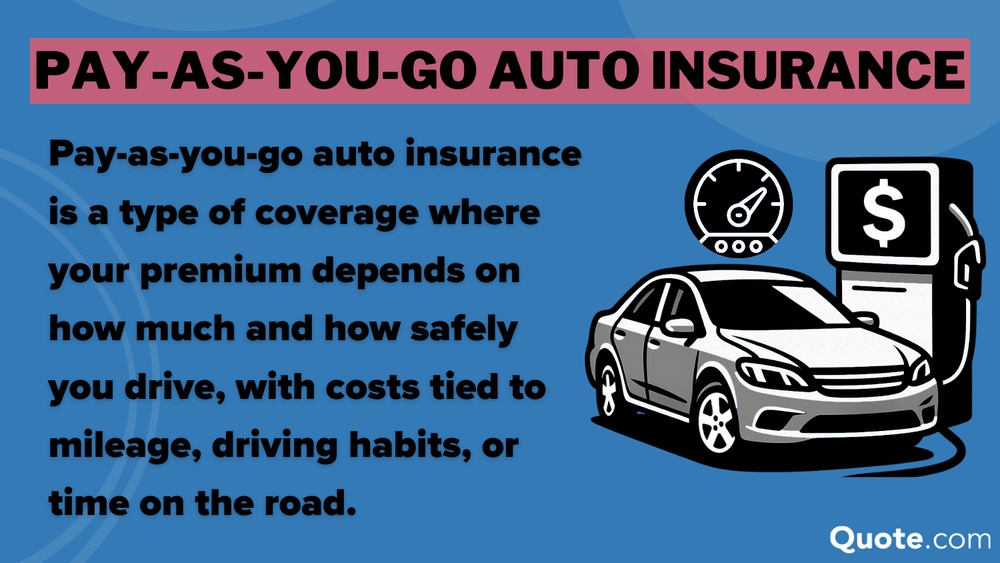
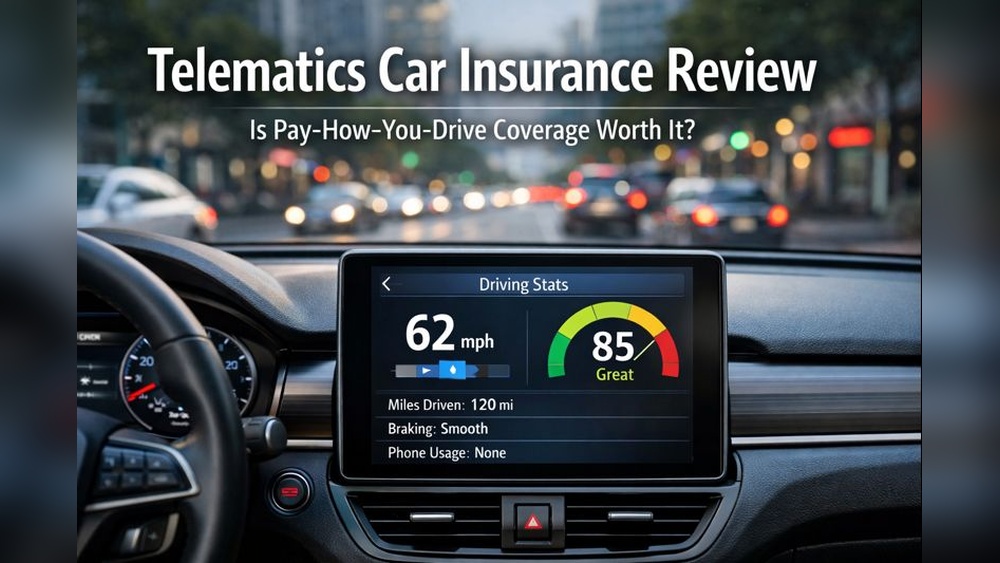
Telematics car insurance uses devices or apps to track how you drive. These tools collect data on speed, acceleration, braking, and cornering. Some use a small box installed in the car, called a black box. Others use a smartphone app to monitor driving habits.
The main difference between a black box and telematics is the device type. A black box is a physical gadget fixed in the vehicle. Telematics can also use your phone’s GPS and sensors. Both help insurance companies decide your premium based on your driving behavior.
| Feature | Black Box | Telematics App |
|---|---|---|
| Device Type | Physical box in car | Smartphone app |
| Data Collected | Speed, braking, cornering | Speed, braking, cornering, GPS |
| Installation | By technician | Download app |
| Use | Mostly for insurance | Insurance plus driving feedback |
Benefits Of Telematics Insurance
Potential Savings on Premiums come from insurers rewarding drivers who show good habits. By tracking speed, braking, and driving times, telematics can lower your costs. Safer drivers often get discounts, which help save money.
Encouragement of Safer Driving happens because drivers know their habits are monitored. This makes them drive more carefully. Fewer accidents mean safer roads for everyone.
Customized Insurance Rates mean you pay based on how you really drive. Good driving leads to lower premiums, while risky driving may increase costs. This makes insurance fairer for all.
Popular Telematics Programs
GEICO DriveEasy uses a mobile app to track your driving habits. It records your speed, braking, and time of driving. Safer driving can lead to discounts on your insurance.
Liberty Mutual RightTrack offers two ways to track: a mobile app or a plug-in device. It watches your driving style but does not increase your premium for bad driving. Good habits may lower your rates.
Nationwide SmartRide also uses a plug-in or a mobile app. It focuses on your driving behavior like acceleration and braking. This program rewards careful drivers with savings.
Progressive Snapshot works with both app and plug-in options. It tracks miles driven and driving patterns. Unlike some, it can raise your premium if driving is risky.
Choosing The Right Program
Choose a telematics program that works with your vehicle. Some use a small device plugged into your car, while others use a mobile app. Check if your car model supports the device or app.
Decide how you want your driving tracked. Options include plug-in devices, smartphone apps, or both. Each method has pros and cons. Apps are easy but may drain your phone battery. Devices can track more data but need installation.
| Program | Tracking Method | Discounts and Incentives |
|---|---|---|
| GEICO DriveEasy | Mobile app | Safe driving discounts |
| Liberty Mutual RightTrack | Plug-in or app | Bonus rewards and discounts |
| Nationwide SmartRide | Plug-in or app | Discounts based on miles driven |
| Progressive Snapshot | Mobile app or plug-in | Lower premiums for good driving |
Look for programs with clear discounts. Some reward safe driving habits, while others offer bonuses for low mileage. Choose one that fits your driving style.
Factors Affecting Premiums
Driving behavior is a major factor in telematics car insurance premiums. Insurers track speed, braking, acceleration, and cornering. Safer driving often means lower premiums. Bad habits can increase your rates.
Location also affects costs. Urban areas usually have higher rates due to more traffic and accidents. Rural areas tend to have lower rates.
How often and when you drive matters too. Driving mostly at night or during rush hours may raise your premium. Less driving or off-peak hours can lead to discounts.
| Data Type | Impact on Rates |
|---|---|
| Speeding | Increases premium |
| Hard Braking | Increases premium |
| Night Driving | May increase premium |
| Safe Driving | Can lower premium |
| Low Mileage | May lower premium |

Common Concerns And Myths
Privacy concerns often come up with telematics insurance. Data collected includes speed, braking, and driving times. Insurers say they use data only for pricing and risk assessment. The data is usually encrypted to keep it safe. Customers can often review what data is collected and how it is used.
Many wonder, will my rate increase? Good driving usually leads to lower rates. Risky behavior like speeding or hard braking might raise costs. Some programs offer discounts after safe driving is shown. Not all telematics policies increase rates; it depends on the insurer and your driving habits.
Black box insurance is a common term for telematics policies. It used to mean a physical device in the car. Now, many use a phone app instead. This app tracks driving without needing extra hardware. Misconceptions include thinking black box always means higher rates. Actually, it rewards safe drivers with better prices.
Tips To Maximize Savings
Safe driving habits like obeying speed limits, avoiding harsh braking, and using turn signals can lower your telematics insurance costs. Insurance providers reward smooth and careful driving with better rates.
Use your telematics app’s feedback reports to spot risky driving patterns. Adjust your behavior based on the data. This helps improve your driving score and reduces your premium.
Check quotes from multiple telematics insurance providers before choosing. Each company tracks different driving data and offers unique discounts. Compare coverage, rates, and app features to find the best deal.

Future Trends In Telematics
New technology is making telematics smarter and easier to use. Cars with built-in sensors now collect data without extra devices. This helps insurance companies get more accurate driving information.
Smart vehicles can share data directly with insurers. This integration allows faster updates and personalized insurance rates. Drivers benefit from lower costs if they drive safely.
Insurance companies use telematics for more than just tracking speed. They look at braking, cornering, and time of day. This helps create better risk profiles and fairer premiums.
More uses are appearing, such as helping with accident claims and offering tips to improve driving. Telematics is becoming a key tool in making insurance simpler and more fair for everyone.
Frequently Asked Questions
What Insurance Companies Offer Telematics?
GEICO, Liberty Mutual, Nationwide, and Progressive offer telematics insurance using apps or devices to track driving habits.
What Is The Best Telematics Company?
Nationwide, Progressive, GEICO, Liberty Mutual, and State Farm lead in telematics insurance. Nationwide offers the largest discounts. Progressive provides wide availability. State Farm suits young drivers best. Choose based on your driving habits and location for optimal benefits.
Will Telematics Raise My Insurance Rate?
Telematics can lower or raise your insurance rate based on your driving habits. Safe driving usually earns discounts. Risky behavior may increase rates.
Is Youdrive A Black Box Insurance?
Yes, YouDrive is a black box insurance. It uses telematics to monitor and assess your driving habits for pricing.
Conclusion
Choosing the right telematics car insurance can save you money. Compare different programs carefully before deciding. Pay attention to what each service tracks and how it affects rates. Safe driving habits often lead to better discounts. Remember, the best choice fits your driving style and needs.
Keep monitoring your driving to maintain low premiums. Telematics insurance offers a fair way to pay based on how you drive. Stay informed and make smart decisions for your car insurance.
Read More:
- Car Warranty Claim Process: Essential Steps to Maximize Your Coverage
- Electric Vehicle Lease Deals: Unbeatable Offers You Can’t Miss
- Mechanical Breakdown Insurance Quote: Save Big with Expert Tips
- Gap Insurance for Leased Vehicles: Essential Protection Explained
- Low Risk Driver Insurance Rates: Save Big with Smart Coverage
- Rear End Collision Settlement: Maximize Your Compensation Today
- Drunk Driver Accident Compensation: Maximize Your Claim Today
- No Deposit Auto Insurance Plans: Save Big with Zero Upfront Fees